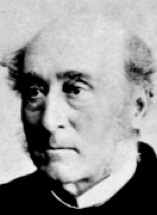

occupation
Cordwainer, City Marshal and first Superintendent of Oxford City Day
Police (1832-1868)
dates
Born: Jan 1787; baptised 13 Feb 1787, at
St Thomas Church, Oxford
Married: 11 Oct 1809, to Sarah HUGHES, at
St Margaret’s Church, Binsey, Oxford
Died: Feb 1869, burial service 1 Mar 1869, at
St Martin’s Church, Oxford; interred 1 Mar 1869, Holywell Cemetery
residence
Various in Oxford: Cocks Row, St Ebbes; Town Hall, Blue Boar Lane; Osney
submitted by
Joan HOWARD-DRAKE, née CROOK
(great-great-great-granddaughter)
Background information
Thomas was born into a family that goes back in Oxford at least until the 17th century. When there were fears about Napoleon Bonaparte invading England he joined one of the volunteer corps that was established. At 17 he became a sergeant in the 2nd Company and so continued until it was disbanded in 1816.
He then became City Marshal, a very old civic office, and with his constables was responsible for law and order in the City. As Marshal he would also have carried the staff of office on Civic occasions. At the time of the ‘Swing’ riots again he helped the Corporation by guarding the City plate against loss which was threatened He took it to his home in St Thomas parish, hardly a place of law-abiding citizens, but kept it safe.
He was much involved in the parish of St Thomas, where he was asked by the Vestry to defend its parishioners from some of the local populace. He was so successful that the Old (pre-1832) Corporation of Oxford presented him the thanks of the City inscribed on vellum. He was one of the ‘bondsmen’ in Anne Bowell’s charity and a member of the Vestry in 1832. He was very active at the time of the cholera outbreak, ran the City Soup Kitchen and was generous to the poor.
Thomas was also a gardener, he loved pinks and he held an annual pinks show at his house. His job as Superintendent of the City’s Day Police was followed by that of Chief of the early Fire Service. He was also responsible for the Oxford City Prison. His obituary in the Oxford Times of
6 March 1869 gives the impression of wide involvement with city activities. He lived in premises at the back of the Old Town Hall, and had to be removed from there when his time of employment finished, by which time he was 81.

Thomas LUCAS